
Light sleepers wake up easily. A distant car door, a brief spike in room heat, or a small sliver of street light can break the rest cycle. For these sleepers, the body remains alert long after the workday ends. Rest does not begin when the head touches the pillow. Rest begins hours before, through small environmental adjustments.
A wind-down routine gives the nervous system time to shift states. This guide outlines practical steps for the final hours of the day. The focus is on physical cues like light, heat, and sound. You can test each change on its own to see what helps your body settle.
Lowering overhead light levels by dusk
The eyes register bright light as daytime. Ceiling fixtures scatter illumination across the upper visual field, which suppresses the natural release of melatonin. When the sun sets, interior spaces need to reflect the same shift. Turning off tall fixtures signals the brain that the active window is closing.
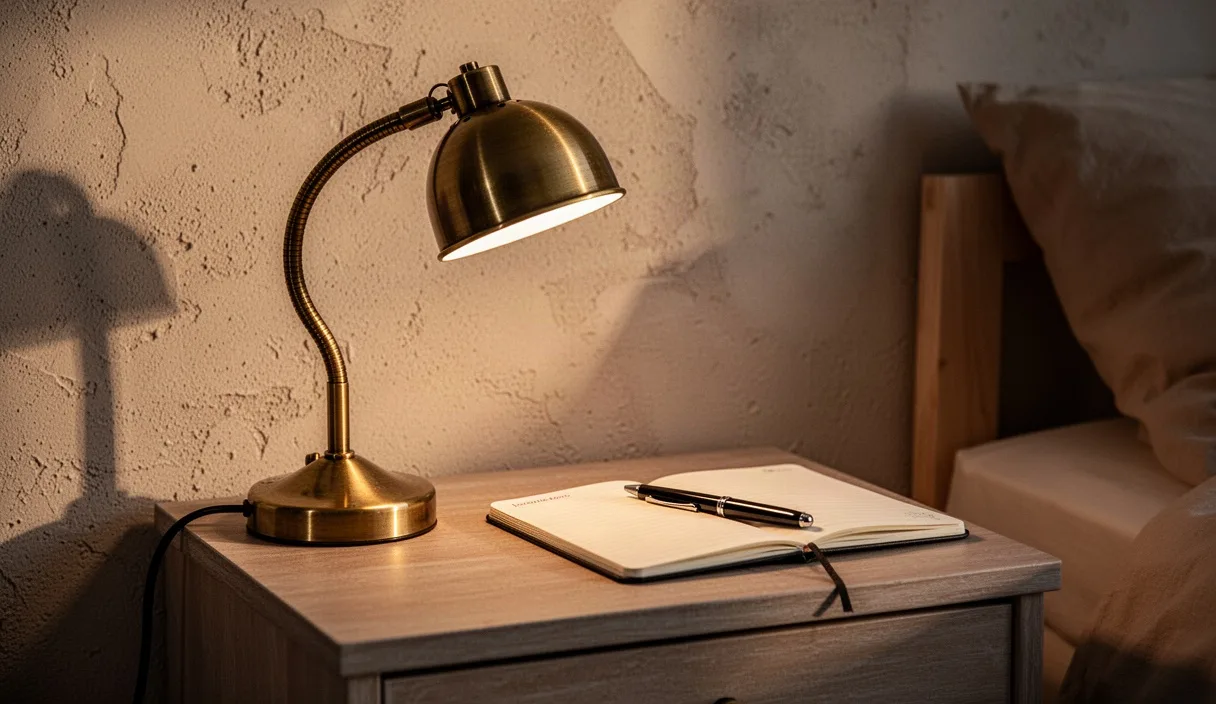
Switch to low-standing table lamps or floor fixtures around dusk. Keep the light sources below eye level. Bulbs with a warm color temperature between 2200 Kelvin and 2700 Kelvin soften the room. Clear white light, often rated at 4000 Kelvin or higher, delays circadian timing.
You can manage the lighting in stages as the evening advances:
- Dusk: Turn off central ceiling fixtures. Switch to shaded table lamps.
- Two hours before bed: Dim table lamps to less than 50 lux. Turn off accent lighting in halls.
- One hour before bed: Use indirect amber nightlights or low-wattage bulbs in the bathroom and bedroom.
Bathrooms pose a common problem late at night. Most bathroom vanity lights produce intense, cool beams that disrupt an already sleepy brain. A single amber nightlight in the corner provides enough illumination for basic hygiene tasks without shocking the nervous system.
Thermal preparation through a warm shower
The body naturally sheds core heat before sleep. The drop in core temperature works as a biological trigger for sleep onset. Warm water speeds up this cooling process through a physical mechanism called vasodilation.
When you stand in warm water, blood flows quickly to your hands, feet, and skin surface. Once you leave the shower, that surface heat dissipates into the cooler air of the room. Your internal core temperature drops as a direct result. This cooling mimics the body's natural pre-sleep curve.
| Element | Target Setting | Timing |
|---|---|---|
| Water temperature | 38 to 40 degrees Celsius | 60 to 90 minutes before sleep |
| Shower duration | 10 to 15 minutes | Keep sessions brief to avoid dehydration |
| Room air upon exit | 19 to 21 degrees Celsius | Allows immediate thermal dissipation |
Do not use boiling hot water. Excessive heat taxes the cardiovascular system and raises the heart rate for over an hour. If you do not want a full shower, soaking your feet in warm water for ten minutes produces a similar vascular response.
Managing screen habits without total restriction
Strict rules against all screens often fail. Work demands, personal reading, and family messages happen on glass displays. A practical routine adapts device use instead of banning it entirely.
The danger of late screen time comes from two sources: light spectrum and emotional stimulation. Bright blue wavelengths tell the eyes that the sun is high. Intense news feeds, fast-paced videos, and urgent work emails trigger adrenaline. The goal is to reduce both factors concurrently.
Adjust your hardware sixty minutes before you plan to sleep:
- Set display brightness to its lowest readable level.
- Enable warm color shifts in your operating system settings.
- Hold phones or tablets at least thirty-five centimeters away from your face.
- Switch from active social media feeds to static text like books or long articles.
Audio content offers an alternative that bypasses the visual system completely. Spoken-word podcasts, audiobooks, or ambient soundscapes keep the mind occupied without shining light directly into your retinas. Set a playback timer for thirty minutes so the audio cuts out after you drift off.
Caffeine clearance schedules across the afternoon
Caffeine blocks adenosine receptors in the brain. Adenosine is the molecule that builds sleep pressure across the day. When these receptors remain occupied, the brain does not feel the natural weight of fatigue.
The average half-life of caffeine ranges between five and seven hours. If you drink a double espresso at three in the afternoon, a quarter of that stimulant remains active in your system near midnight. Lighter sleepers metabolize caffeine at different rates based on genetics, age, and liver function.
| Drink | Estimated Caffeine | Cut-off Window |
|---|---|---|
| Filter coffee (240 ml) | 95 to 140 mg | 8 to 10 hours before bed |
| Black tea (240 ml) | 40 to 70 mg | 6 to 8 hours before bed |
| Dark chocolate (30 g) | 15 to 25 mg | 4 to 6 hours before bed |
| Herbal tisane (chamomile, rooibos) | 0 mg | No restriction needed |
If you experience midday slumps, substitute hot water, peppermint tea, or a brisk ten-minute walk. The physical movement increases blood flow without introducing compounds that need liver clearance late at night.
Setting room temperature to eighteen degrees
A cool room supports the body's natural heat loss cycle. An ambient temperature of eighteen degrees Celsius sits in the ideal range for adult sleep. Rooms above twenty-one degrees lead to restlessness and frequent nighttime micro-arousals.
Air circulation matters as much as the thermostat reading. Stagnant air traps body heat under the blankets. A quiet fan set on low moves the air across the bed, which prevents heat pockets from forming around your torso.
Consider the structure of your sleep space:
- Open an interior door or crack a window twenty minutes before bed to cycle fresh air.
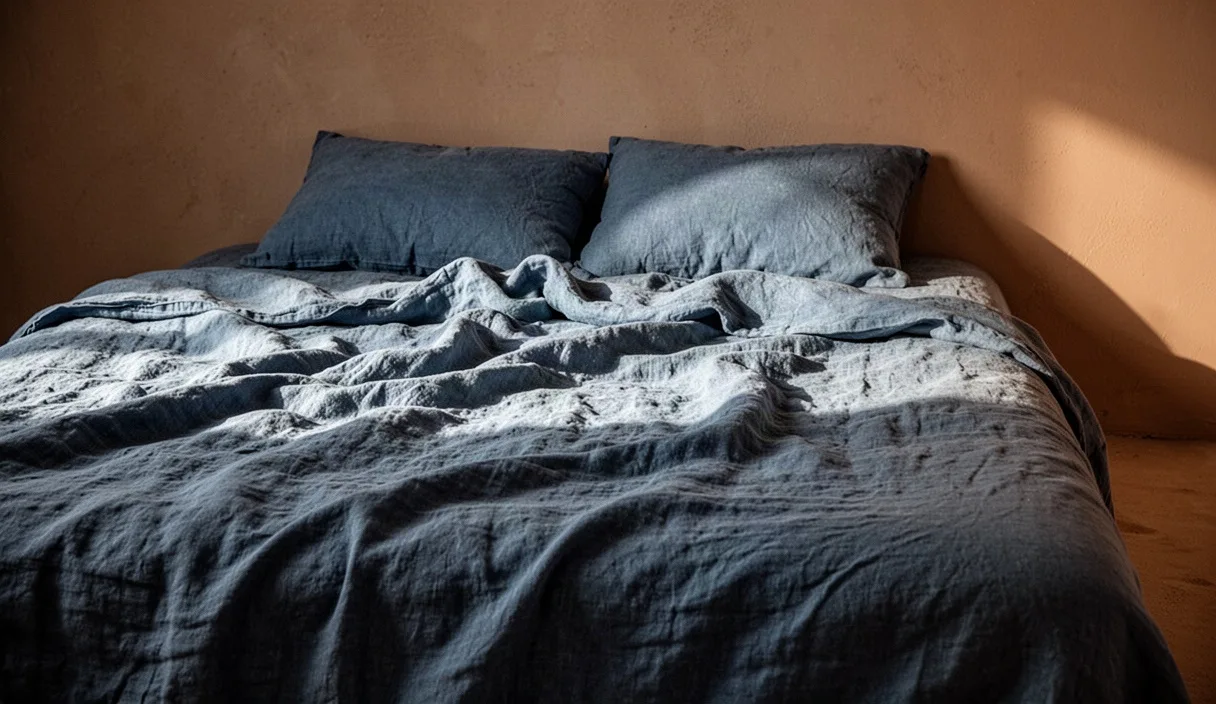
- Choose breathable bedding made from natural linen or percale cotton.
- Remove thick synthetic duvets that trap moisture against the skin.
- Use layered blankets instead of one heavy comforter so you can adjust warmth without waking up fully.
If your feet feel cold in an eighteen-degree room, wear a pair of loose wool socks. Warming the feet dilates peripheral blood vessels, which actually helps cool down your core.
Reviewing the nightly closing checklist
A restless mind keeps the body tense. Lighter sleepers often wake up because an unresolved thought surfaces in the middle of the night. A paper-based closing checklist removes administrative stress from the brain before you lie down.
Spend five minutes at a desk with a notebook. Write down three to five tasks that need your attention tomorrow. Group them by priority. Once an item exists on paper, your working memory does not need to hold it through the dark hours.
Follow a consistent sequence to close down the house:
- Check exterior door locks and window latches once to prevent late-night second-guessing.
- Fill a small carafe with fresh drinking water and set it on the nightstand.
- Place your phone across the room, out of reach from the mattress.
- Set an analogue alarm clock or verify your phone alarm once, then turn the face downward.
- Draw blackout curtains tight to block early morning street lamps and vehicle lights.
Do this sequence in the same order every night. The repetition builds a conditioned pattern. The physical movement tells your body that daily responsibilities are finished.
Common mistakes
Many light sleepers introduce counterproductive habits in an effort to fix their sleep. These habits increase vigilance instead of reducing it.
Watching the clock is the most frequent error. Checking the time during a nighttime awakening triggers mental arithmetic about remaining hours. Turn clock faces completely away from the bed.
Over-supplementing is another regular misstep. Taking high doses of melatonin or complex herbal blends can leave you groggy or cause vivid dreams that disturb deep rest. If you rely on supplements every night, consult a qualified physician or sleep specialist to evaluate your basic sleep architecture.
Spending excessive awake time in bed creates a negative association between the mattress and frustration. If you stay awake for longer than twenty minutes, get up. Move to a dim corner of another room, read a print book under a warm lamp, and return only when your eyelids feel heavy.
Starting your routine tonight
Do not try to change every single habit at once. Overhauling an entire evening creates its own friction. Pick two adjustments for this evening and observe how your body reacts over the coming week.
Begin by shutting down your ceiling fixtures at sunset and adjusting your thermostat to eighteen degrees. Keep a pen and pad beside your desk for your task list. Give these small interventions time to work on your nervous system. Sleep improves through regular, quiet repetition.