

The ceiling looks gray in the weak street light. The clock on the dresser shows three in the morning. Your eyes open without an alarm, and your mind is clear within seconds.
This pattern is common. Sleep runs in ninety-minute cycles throughout the night. By three in the morning, the body completes its deepest cycles and enters lighter rest. Small shifts in biology, room climate, and diet wake the brain during this transition.
Sleep architecture changes after forty-five
Sleep changes as the body ages. The proportion of deep slow-wave sleep decreases every decade after early adulthood. By age forty-five, many people spend only twelve to fifteen percent of the night in deep slow-wave rest. The remainder shifts into stage two sleep, which is lighter and easier to disrupt.
Hormone production shifts during midlife as well. Melatonin release begins later in the evening and drops earlier in the morning. Growth hormone pulses, which support tissue repair during deep sleep, decline in volume. The nervous system becomes more sensitive to sound, bladder fullness, and room temperature shifts.
Women experience additional sleep fragmentation during perimenopause and menopause. Estrogen and progesterone levels fluctuate unpredictably. Progesterone promotes sleep and calms the brain through gamma-aminobutyric acid pathways. As progesterone drops, nocturnal awakenings become more frequent.
| Age Range | Average Deep Sleep Percentage | Primary Awakening Trigger |
|---|---|---|
| 20 to 35 | 20 to 25 percent | External noise and alarm clocks |
| 36 to 45 | 15 to 20 percent | Stress hormones and muscle tension |
| 46 to 60 | 10 to 14 percent | Thermoregulation shifts and hormonal changes |
| 61 and older | 6 to 9 percent | Bladder signals and circadian phase advancement |
These shifts are normal physiological changes rather than personal failures. Knowing this reduces panic when you open your eyes in the dark. A physician or sleep specialist can evaluate chronic waking to rule out sleep apnea or movement disorders.
Blood glucose drops and night arousal
The brain requires a steady supply of glucose to maintain rest. When you sleep, the liver releases stored glycogen into the bloodstream. If liver glycogen stores run low, blood glucose drops below normal levels during the second half of the night.
A sudden drop in blood glucose triggers an emergency response from the adrenal glands. The body releases daily balance and adrenaline to stimulate glucose production. Adrenaline increases heart rate, tenses muscles, and alerts the brain. You wake suddenly, often with a racing heart or a feeling of mild anxiety.
Dinner composition influences this nocturnal curve directly. A meal high in simple carbohydrates causes a rapid spike in blood sugar at eight in the evening. The pancreas secretes insulin to clear the sugar. By three in the morning, blood sugar reaches a valley, prompting the counter-regulatory hormone surge.
- High-glycemic dinners: White rice, pasta, sweetened sauces, and alcohol create a sharp rebound drop six hours later.
- Balanced dinners: Lean protein, fibrous vegetables, and complex fats absorb slowly over seven hours.
- Late-night alcohol: Ethanol metabolizes into sugar initially, then blocks gluconeogenesis in the liver, leading to early morning drops.
- Stabilizing evening snacks: A tablespoon of almond butter or a hard-boiled egg thirty minutes before bed provides steady fatty acids.
If you suspect nocturnal hypoglycemia, track your dinners alongside your wake times in a journal. A continuous glucose monitor prescribed by a doctor can verify whether blood sugar crashes precede your awakenings.
Temperature regulation through bedding choices
Human core body temperature follows a daily circadian rhythm. It drops by approximately one degree Celsius in the evening to initiate sleep. The temperature reaches its lowest point around four in the morning before rising again to prepare for waking.
Synthetic bedding materials interfere with this cooling process. Polyester, microfiber, and memory foam trap heat against the skin. As your core attempts to release heat around two or three in the morning, trapped heat builds inside the bedding. The brain registers thermal discomfort and wakes you to shed layers.
Natural fibers support the body's natural heat shedding through moisture absorption and air permeability. The fabric pulls perspiration away from the skin and lets room air circulate across the body surface.
| Material | Breathability | Moisture Management | Thermal Profile |
|---|---|---|---|
| Long-staple cotton percale | High | Moderate absorption, dries quickly | Cool to the touch all night |
| European flax linen | Very high | High absorption, allows high airflow | Regulates heat through open weave |
| Mulberry silk | Moderate | Excellent moisture regulation | Adapts to skin temperature |
| Polyester microfiber | Low | No moisture absorption, holds sweat | Traps body heat and increases waking |
| Traditional memory foam | Very low | Dense cells block airflow | Stores radiated body heat |
Set your room thermostat between sixteen and nineteen degrees Celsius. Use layered blankets made of natural cotton or wool rather than a single heavy synthetic duvet. Layers allow you to adjust insulation without shocking your body with sudden room air changes.
The twenty-minute rule for leaving bed
Lying awake in bed creates an unintentional association in the brain. The brain is an associative organ. When you spend hours awake in bed feeling restless, the bed becomes paired with wakefulness and mild frustration.
The twenty-minute rule protects the bed as a cue for sleep. If you remain awake after twenty minutes, leave the mattress quietly. Do not watch the clock to measure twenty minutes. Estimate the time based on your internal sense of patience.
Move to another room with dim, warm lighting. Keep the light low and angled toward the floor. Avoid turning on overhead lights, television screens, or phones, as blue-spectrum light suppresses melatonin within minutes.
- Stand up quietly: Keep your movements slow and deliberate to maintain a low resting pulse.
- Choose a neutral location: Sit in an armchair or on a floor cushion away from your work desk or dining table.
- Engage in low-stimulation activity: Read a paper book with dense prose, listen to recorded audio at low volume, or sketch in a notebook.
- Wait for physical drowsiness: Watch for heavy eyelids, yawning, and head nodding before standing up.
- Return to the bedroom: Lie down only when the physical drive to sleep returns.
Repeat this sequence if waking occurs again. It may take several nights to retrain the association. The goal is simple: spend time awake outside the bed so that bed remains paired only with sleep.
Breath practices that slow nocturnal pulse
Waking at three in the morning often triggers an immediate sympathetic nervous system response. You think about tomorrow's schedule, an unresolved email, or the lost hours of rest. Your pulse increases from sixty beats per minute to eighty or ninety beats per minute.
You cannot force the brain to sleep through conscious effort. You can, however, alter autonomic tone through slow respiration. Breathing slowly and extending the exhale stimulates the vagus nerve. The vagus nerve releases acetylcholine, which slows the sinoatrial node of the heart and lowers arterial pressure.
Use simple pacing exercises that require minimal counting. Complex mental arithmetic keeps the analytical prefrontal cortex awake, which prevents relaxation.
The extended exhale method
Inhale through your nose for a count of four seconds. Let the air fill the lower rib cage without lifting your shoulders. Pause without straining for one second. Exhale slowly through slightly parted lips for six seconds. Repeat this cycle ten times while lying flat on your back.
Physiological sighing
Take two quick inhales through your nose without exhaling in between. The first inhale fills seventy percent of your lungs. The second sharp inhale pops open the tiny air sacs in the lungs called alveoli. Follow with a long, unforced exhale through your mouth until your lungs are empty. Complete three sighs, then return to normal nasal breathing.
Box pacing with soft focus
Inhale for three seconds. Hold gently for three seconds. Exhale for three seconds. Hold empty for three seconds. Keep your attention resting on the sensation of air moving across the upper lip. If thoughts enter, let them pass without chasing them or pushing them away.
Common mistakes
People often react to nocturnal waking in ways that reinforce the cycle. These well-intentioned habits alert the nervous system and make falling back asleep more difficult.
- Checking the clock: Looking at the exact minute triggers mental calculations about remaining sleep time. Turn clock faces away from your view.
- Reaching for the phone: Checking messages or news feeds exposes the eyes to short-wavelength light and stimulates dopamine pathways. Keep the device in another room.
- Drinking large volumes of water: Drinking cold water shocks the stomach and fills the bladder, guaranteeing another waking at five in the morning. Take only a small sip if your throat is dry.
- Turning on bright bathroom lights: High-lux lighting signals daytime to the suprachiasmatic nucleus. Use a small amber nightlight in the hallway and bathroom.
- Attempting intense exercise: Doing pushups or stretches in the middle of the night raises core body temperature and heart rate, delaying the sleep cycle by hours.
- Ruminating in bed: Remaining under the covers while reviewing life problems teaches the nervous system to remain hypervigilant between the sheets.
Practical next steps
Resolving three in the morning awakenings requires small, consistent adjustments over two to three weeks. Choose two modifications to test first rather than overhauling your entire routine at once.
Begin by evaluating your evening meal today. Replace refined starches with slow-burning fats and proteins. Add a modest serving of complex fiber, such as cooked greens, lentils, or raw nuts. Observe whether this changes your wakefulness patterns over the next four nights.
Audit your bedroom environment tomorrow morning. Check the fabric composition tags on your sheets and pillowcases. If your bedding contains polyester, switch to plain unbleached cotton or linen. Lower your thermostat by one degree Celsius each evening until you find your optimal resting temperature.
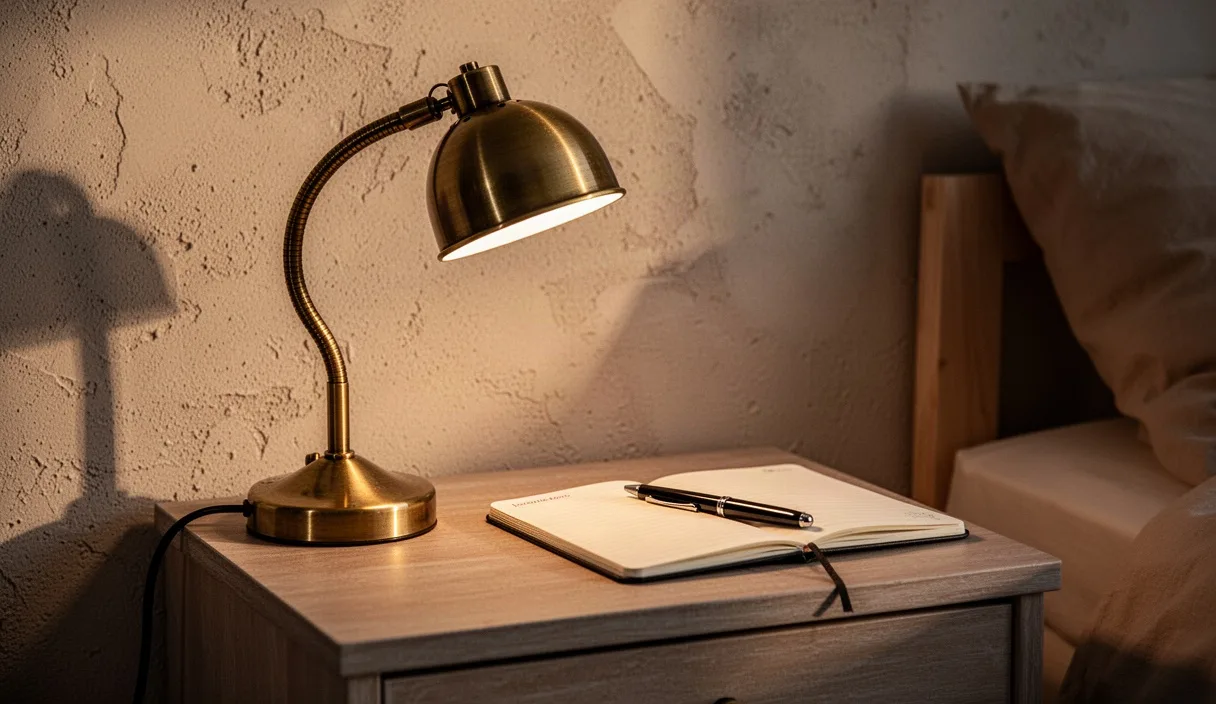
Prepare your secondary resting spot before you go to sleep tonight. Place an analog book and a low-wattage warm lamp near an armchair in your living area. If you find yourself awake at three in the morning, you will not need to make decisions in the dark.
Keep a brief log on your bedside table. Record when you woke, how your body felt, and what action you took. If awakenings persist for more than a month despite these adjustments, share your log with a medical professional to explore underlying metabolic, respiratory, or hormonal factors.